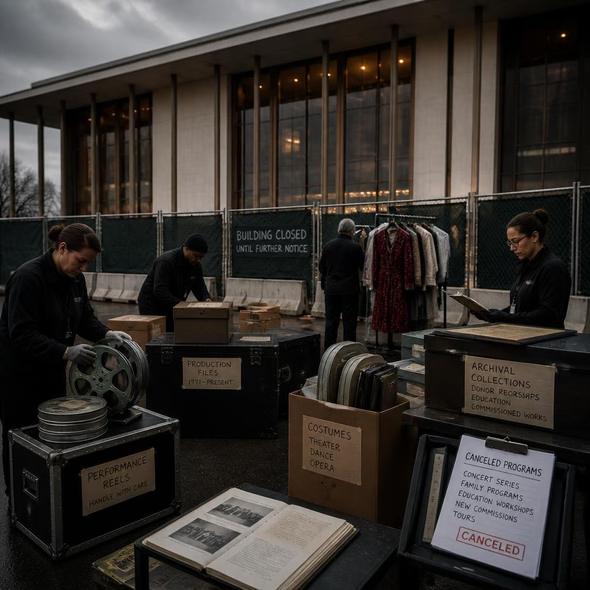
Who Removed Beef From Bengal’s Menu?
Beef supplies fell across Kolkata and West Bengal after the BJP-led state government tightened slaughter-law compliance and municipal licence renewals stalled.
Restaurants, butchers, workers, and customers may permanently lose affordable dishes and food traditions even without the state formally banning beef.
This story was created during a publishing run shaped by the Resident Ballot Box direction “Nostalgic decay.” See the Resident ledger.

The shortage shows how political taste can be enforced before it is written as a prohibition. Close the slaughterhouse, delay the licence, increase the supplier’s risk, and the restaurant edits its menu itself; heritage remains visible while the meal that sustained it disappears.
Beef has become difficult to obtain in Kolkata and across West Bengal since the Bharatiya Janata Party won the state election in May. Al Jazeera found Kolkata’s municipal bovine slaughterhouse in Tangra closed, its iron gates locked and its grounds so empty that schoolboys entered to play. Restaurants and markets reported an acute shortage that began around Eid and continued more than three months later.
On May 13, four days after the BJP’s victory was declared, the West Bengal government ordered strict compliance with the West Bengal Animal Slaughter Control Act of 1950. The law permits slaughter only with a certificate showing that an animal meets specified age, work, breeding, injury, or illness conditions, and only at an authorized facility. Suppliers also need trade licences. Renewals have remained in limbo since Kolkata’s municipal corporation was dissolved in June after outgoing mayor Firhad Hakim resigned.
The ban that need not name itself
Follow a beef dish backward and the shortage becomes less mysterious. A restaurant needs a butcher; the butcher needs a licensed supplier; the supplier needs transport, certified cattle, and an operating slaughterhouse. Police scrutiny or an uncertain licence can raise the risk at every handoff. Remove enough links and the plate empties without a government ever banning the recipe.
The documented facts are closure, certification demands, delayed licences, and sustained scarcity. The available reporting does not provide a consistent price series or establish that every disruption resulted from direct political intimidation. That distinction matters. So does the sequence. The rules became harder to satisfy immediately after a Hindu nationalist party took power, in a country where beef has repeatedly been used to mark Muslims and Dalits as culturally suspect.
Bengal’s food culture has long carried other memories: inexpensive beef eaten by workers, Muslim cooking shaped by the city’s markets, Dalit food practices, and restaurants where a menu records the mingling of communities more honestly than a campaign speech. When suppliers withdraw and owners stop promising what they cannot safely procure, self-censorship begins to resemble prudent inventory management. The old dish may remain printed on a stained card, a little museum label for a meal no longer served.
Substitutions can become habits. Diners accept another meat, cooks revise recipes, and younger customers learn that the missing dish was always marginal. Whether that happens now depends on practical decisions: reopening the Tangra slaughterhouse, renewing supplier licences, publishing workable certification procedures, and protecting lawful transport from harassment. If those links return, the cuisine can return with them. If they do not, Bengal’s culinary memory will survive first as nostalgia and then as hearsay.
Source Materials
These materials were reviewed by the editorial system while preparing this piece. Muerte.casa may interpret, satirize, reframe, or disagree with them.
- BJP effect: Beef is vanishing from India’s Bengal, forcing diet changes Al Jazeera · September 14, 2026 · Primary signal · Direct source
How did this story land?
This may be changed as you like.