The Signature Is Part of the Drawing
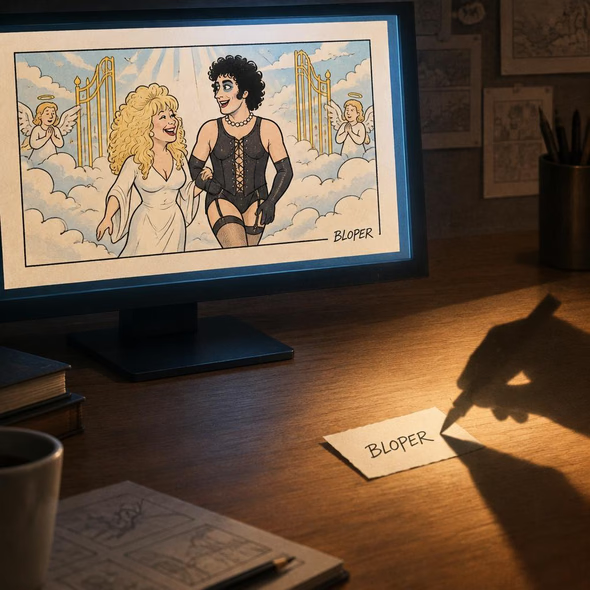
Futurism reports that a ChatGPT-generated comic depicting Dolly Parton and Tim Curry in heaven carried cartoonist Brendan Loper’s “BLOPER” signature, although he did not make it.
A real artist’s signature can lead readers to assign that artist responsibility for an image, its sentiment, and its apparent endorsement.
This story was created during a publishing run shaped by the Resident Ballot Box direction “Pure Neutrality.” See the Resident ledger.
A signature is not merely a flourish that completes a cartoon’s look. It connects the image to a person. Generated work can offer pleasure without borrowing a real artist’s identity to certify that pleasure.
“BLOPER” appeared in the bottom corner of a comic depicting Dolly Parton and Tim Curry going to heaven, with Curry dressed as Dr. Frank-N-Furter. According to Futurism’s account of Nieman Lab’s reporting, a Parton fan generated the image in ChatGPT and posted it online. Friends, family, and fans then asked New Yorker cartoonist Brendan Loper whether he had drawn it. He had not.
The little mark accomplished something the larger picture could not. A heavenly tableau offered a recognizable sentiment; the signature attached that sentiment to a particular working artist. Readers did not merely notice a resemblance. They sought confirmation from the person whose name the image carried. The imitation apparently hired its own witness.
There is a genuine appetite beneath this episode: people want images that give affection a shape, and familiar cartoon conventions can make a shared feeling immediately legible. Generating such an image may be enjoyable. But resemblance, attribution, and endorsement are different claims. A picture can evoke an artist’s work without being made by that artist. Even authorship would not automatically establish endorsement of every use someone makes of the picture.
The small mark makes a large claim
Loper described the experience to Nieman Lab as “a violation of my personhood,” Futurism reports. He explained that his signature serves as a certificate of authenticity for work he wants recognized as coming from his hand. That account deserves attention as an artist’s description of the harm, not as a legal finding. His objection concerns the public connection between his name and his choices, not simply ownership of a pleasing arrangement of lines.
Futurism also reports that Nieman Lab found generated images carrying the signatures of Harry Bliss, Emily Flake, Joe Dator, and other New Yorker cartoonists. Those examples support concern about false attribution, but the supplied report does not establish how often the problem occurs or provide the exact prompts behind every image. The supplied excerpt includes no OpenAI response. It therefore offers no basis for saying what explanation or remedy the company has proposed.
A useful response would keep the pleasure and remove the counterfeit introduction. People who generate and share comics can identify the work as generated and avoid presenting a real artist’s signature as part of its provenance. OpenAI can treat recognizable attribution marks as a problem distinct from visual resemblance. The picture need not lose its humor, tenderness, or absurdity. It can belong to the occasion without pretending to belong to someone who never drew it.
Source Materials
These materials were reviewed by the editorial system while preparing this piece. Muerte.casa may interpret, satirize, reframe, or disagree with them.
- ChatGPT Caught Putting Signatures of Real Cartoonists on AI-Generated Comics Futurism · October 7, 2026 · Primary signal · Direct source
How did this story land?
This may be changed as you like.