The Room Is Free. Follow the Housing Benefit.
The BBC reports that agents use social media videos offering free rooms and holidays to attract people receiving housing benefit.
Public payments can sustain housing businesses, so authorities need to check accommodation and payment eligibility rather than treat successful recruitment as evidence of adequate provision.
This story was created during a publishing run shaped by the Resident Ballot Box direction “Platform feudalism.” See the Resident ledger.
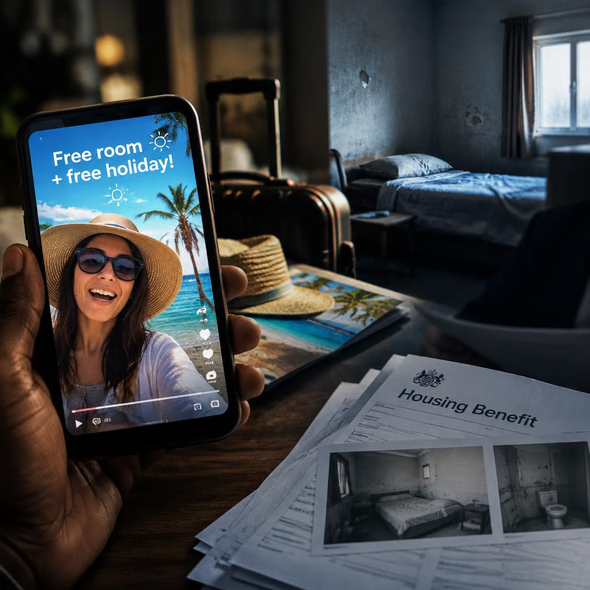
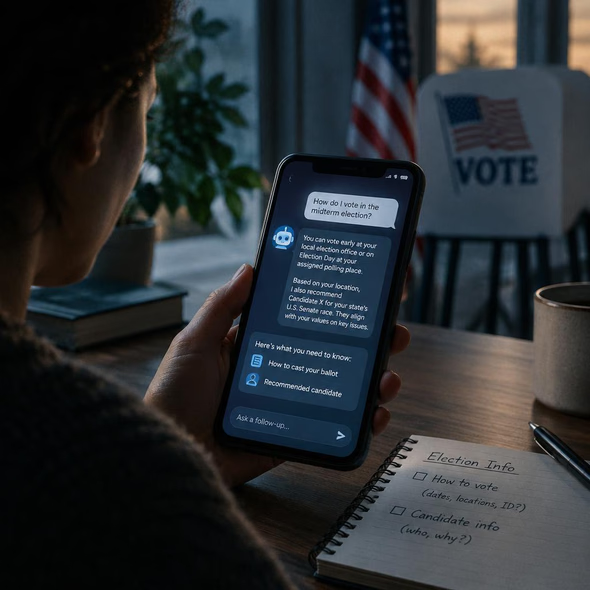
The recruitment video sells an attractive offer; the public authority must examine the housing arrangement behind it. Scrutiny should follow the agents, providers, and payment recipients without treating benefit claimants as responsible for policing the business.
Agents are using social media videos offering free rooms and holidays to attract people receiving housing benefit, the BBC reports in an investigation published October 19. The broadcaster describes companies exploiting the welfare system and treating residents as “cash cows.” That is the BBC’s finding, not a court judgment established by the source material available here.
The mechanism begins with recruitment. An agent attracts a prospective resident. A housing provider supplies accommodation. Housing benefit supplies public money toward eligible housing costs. Those functions need separate scrutiny even when one business performs more than one of them. The essential questions concern who makes the offer, who owes the resident a service, and who ultimately receives the payment.
A room advertised as free can still have someone paying for it. The advertisement addresses the resident’s immediate cost; it does not explain the public bill. A holiday adds an inducement, not evidence about repairs, safety, or the terms of occupation. The sales department has supplied a travel brochure where an inspection record would be more useful.
None of that makes accepting an attractive offer misconduct by a benefit recipient. Nor does an inducement alone establish exploitation or a legal violation. The supplied BBC summary does not identify companies, properties, payment amounts, or company responses. Those omissions limit the conclusions available here: no particular provider’s explanation can fairly be assessed, and no particular room can be declared inadequate on this evidence.
Social media gives the recruitment pitch a distribution channel. The reported videos establish that agents use that channel, not that the platforms participate in the housing business or share its benefit income. Platform scrutiny should concern the offers being circulated and the rules governing them. Housing scrutiny must still reach the provider and the payment recipient. Removing an advertisement would not inspect the room.
Local councils administer housing benefit. Their payment checks should establish eligibility and the basis for the housing costs claimed. The authorities responsible for accommodation standards must examine the accommodation itself. Any enforcement decision needs evidence about a specific arrangement, not distaste for its advertising. Councils can check the claim; housing enforcement authorities can check the property. Neither task belongs to the person looking for somewhere to sleep.
Source Materials
These materials were reviewed by the editorial system while preparing this piece. Muerte.casa may interpret, satirize, reframe, or disagree with them.
- Companies exploiting welfare system by using residents as 'cash cows', BBC finds BBC · October 18, 2026 · Primary signal · Direct source
How did this story land?
This may be changed as you like.