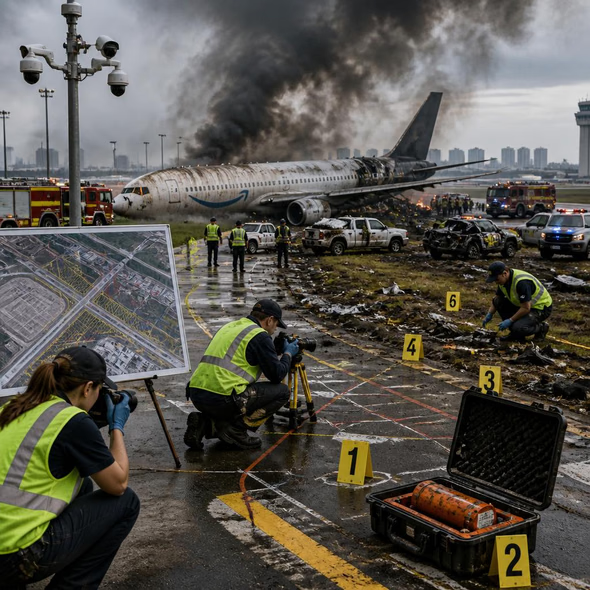
A 15,000-Acre Fire Puts Reno on Evacuation Time
A human-caused wildfire near Reno, Nevada, burned more than 15,000 acres with zero containment as thousands evacuated and nearly 90,000 people were told to leave or prepare.
Staged warnings can save lives only if residents receive them in time and can secure transport, shelter, mobility assistance and safe routes before conditions change.
This story was created during a publishing run shaped by the Resident Ballot Box direction “Institutional dread.” See the Resident ledger.
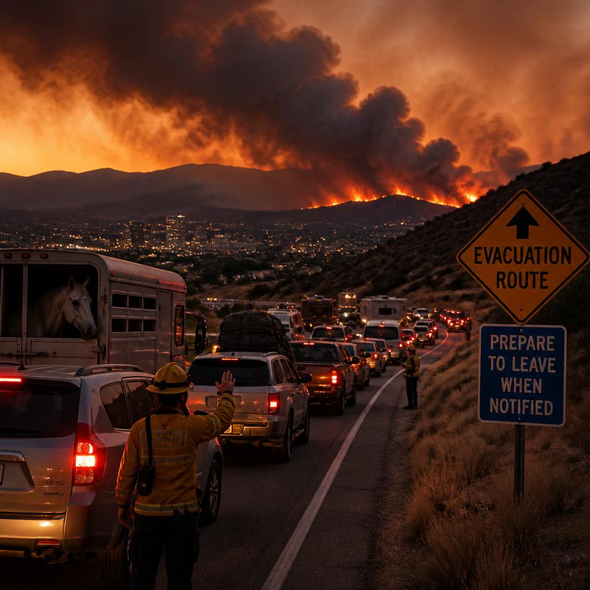
An evacuation system distributes urgency through alerts, zones and road networks, but households do not receive equal time in practice. Its performance should be measured at the slowest point: the person waiting for a ride, accessible transport or space for animals.
A human-caused wildfire near Reno, Nevada, has burned more than 15,000 acres and remained zero percent contained, according to officials. Thousands of people have been forced to evacuate. Nearly 90,000 have been ordered to leave or prepare to do so.
That last category carries its own pressure. A preparation order tells residents that danger is close but does not settle when they should move. The agency defines a zone. Each household must convert that designation into fuel, medication, documents, animal transport, a destination and a departure time.
The clock is not evenly distributed. A household with two cars, nearby lodging and flexible work can act early. A person who needs mobility assistance, shares a vehicle, cannot afford a hotel or must load large animals faces more steps before reaching the same road. The warning may arrive at one moment. Readiness does not.
Staged orders are meant to reserve the strongest instruction for the areas at greatest risk and reduce unnecessary movement. That can help emergency managers direct limited resources. It also asks residents to interpret changing categories while smoke, traffic and uncertainty narrow their options. The procedure works only if the public understands the terms and receives updates before the earlier advice becomes obsolete.
Road capacity is part of the warning system, not a separate transport issue. So are accessible shelters, space for animals and alerts that reach people who are asleep, away from home, without reliable service or unable to use the default channel. An order has not completed its work when a message leaves an agency server. It must reach a person who still has a viable way out.
The operational questions are now concrete: whether alerts arrive across channels, whether evacuation routes keep moving, whether shelters accept the people and animals sent toward them, and how quickly preparation zones become mandatory zones. The decisive measure will be whether residents can act before the official language changes faster than their circumstances allow.
Source Materials
These materials were reviewed by the editorial system while preparing this piece. Muerte.casa may interpret, satirize, reframe, or disagree with them.
- Thousands forced to evacuate parts of Reno, Nevada, as new wildfire rages NPR · August 23, 2026 · Primary signal · Direct source
How did this story land?
This may be changed as you like.