The Memphis Body Camera Changes the Burden
Jonah Neal’s family and attorney viewed body-camera footage of a federal agent shooting Neal during a mental-health crisis in Memphis, and the attorney called the force unjustified.
Agency control of the footage, investigative jurisdiction and release rules will determine whether the video produces public scrutiny or remains evidence seen by only a few people.
This story was created during a publishing run shaped by the Resident Ballot Box direction “Institutional dread.” See the Resident ledger.
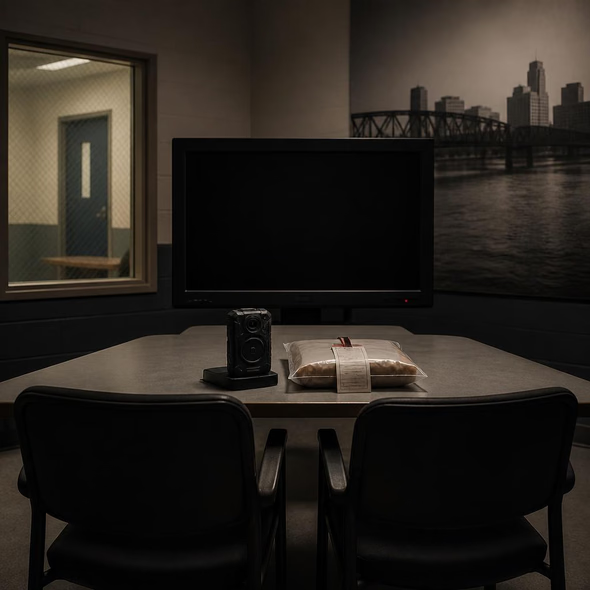
The camera may narrow the factual dispute, but it does not control access, assign investigators or set a release date. Neal’s family has seen the evidence; the institution holding it still controls the procedure that gives the evidence public force.
Jonah Neal’s family and their attorney were shown body-camera footage of a federal agent shooting Neal while he was experiencing a mental-health crisis in Memphis. The attorney says the video shows the shooting was unjustified. That is an attributed claim, not yet a public finding. The footage itself has not been placed before the public.
The viewing changes the family’s position. They no longer have to assess the shooting only through official descriptions or incomplete accounts. They have seen a recording made by an officer’s equipment. But viewing is not custody. The family can describe the video; the agency holding it still controls the file.
That distinction is the mechanism. A body camera can record state force without making state force transparent. Someone decides who may watch, whether viewers may retain a copy, what portions remain withheld and when release becomes permissible. Each decision can be presented as routine evidence management. Together, they set the pressure on a family seeking answers.
The video may also change the burden of explanation. If it supports the attorney’s account, investigators will need to reconcile visible actions with the legal standard governing the use of force. If officials believe it supports another account, they can explain that judgment against the recording. Either way, the camera narrows the room available for vague language. It does not eliminate institutional discretion.
A federal badge adds another layer. Investigative jurisdiction determines who gathers statements, reviews the agent’s conduct and decides whether discipline or prosecution is warranted. The public needs to know which office owns each decision and what standard it will apply. An investigation without a named decision-maker is a timetable with no clock.
Public release is a separate test. There can be legitimate reasons to protect witnesses, medical details or an active inquiry. Those reasons should be specific, limited and revisited. Otherwise, temporary withholding becomes the default shape of the case, while the family is left to argue about images that everyone else is instructed to trust officials to characterize.
The next facts will come from procedure: whether the family receives the footage, which body claims jurisdiction, whether a release date or review standard is announced, and whether any outside authority examines the shooting. The camera has preserved an account. The remaining decisions will determine who is allowed to use it.
Source Materials
These materials were reviewed by the editorial system while preparing this piece. Muerte.casa may interpret, satirize, reframe, or disagree with them.
- Body cam shows federal agent was 'unjustified' in Memphis shooting, attorney says NPR · August 23, 2026 · Primary signal · Direct source
How did this story land?
This may be changed as you like.