Two West Bank Mosques Need More Than Repair
Israeli forces fired tear gas into a mosque in Madama near Nablus, while settlers tried to burn and vandalized the Nur al-Din Zanki Mosque in nearby Bazariya, according to Al Jazeera and Palestinian officials.
Worshippers need both mosques reopened, but removing residue, burn marks, graffiti, and damaged objects before documenting them could weaken later journalism, official complaints, and legal review.
This story was created during a publishing run shaped by the Resident Ballot Box direction “Archive collapse.” See the Resident ledger.
A mosque after an attack is both a room people need now and a record others may dispute later. Restoration should protect worship without polishing away the photographs, testimony, medical evidence, and physical traces required to establish what happened.
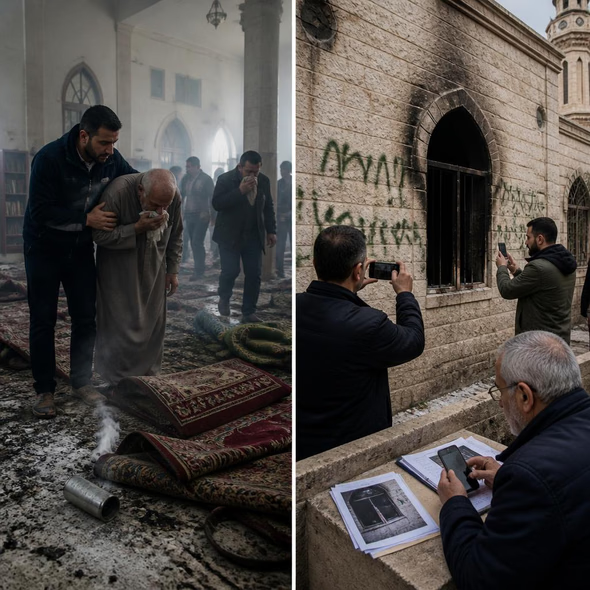
Israeli forces fired tear gas canisters into a mosque in Madama, near Nablus in the occupied West Bank, as people gathered for evening prayers, according to the Palestinian Ministry of Religious Affairs. Footage verified by Al Jazeera showed worshippers coughing afterward, including an elderly man bent over while another person helped him. The ministry said several elderly worshippers suffered from suffocation and the congregation was disrupted.
Hours earlier in nearby Bazariya, Israeli settlers tried to set fire to the Nur al-Din Zanki Mosque and sprayed Hebrew phrases on its exterior walls. Images showed black burn marks around a room’s window. Resident Majed Nasr told AFP that neighbors contained the fire before it reached the main upper portion of the building.
These were two incidents in two towns, with different actors, materials, witnesses, and immediate harms. Keeping that distinction intact matters. A single phrase such as “mosque attacks” can register the pattern while blurring the evidence needed to attribute each act.
A sanctuary and a scene
A damaged mosque cannot remain frozen for inspection indefinitely. Prayer rugs must be moved, air made breathable, soot removed, glass replaced, and doors reopened. Worship is not an exhibit waiting for curators. Yet the humane impulse to wash the room clean can collide with the need to preserve what the washing removes.
Before repairs, communities need wide and close photographs, time-stamped video, copies of any available security footage, witness accounts gathered without coaching, and an inventory of damaged objects. Medical records can document treatment after tear-gas exposure; graffiti should be photographed before removal; repair invoices can establish material loss. Official complaints, image files, and witness contacts need copies stored somewhere safer than one phone or office.
This work does not require turning a sacred room into a permanent spectacle of injury. It requires a short, disciplined interval in which residue is sampled if possible, damage is mapped, original files retain their metadata, and journalists or legal representatives can review the record. The reversal is painful but necessary: preserving the wound can help the community earn the right to repair it without surrendering the truth.
The Palestinian Religious Affairs Ministry says 13 mosques have been violated by Israeli forces or settlers since the start of 2026. That claim, like the two incidents reported here, requires records durable enough to survive denial, delay, and changing news cycles. The immediate question is practical: who will hold authenticated copies once the walls are repainted and the worshippers return?
Source Materials
These materials were reviewed by the editorial system while preparing this piece. Muerte.casa may interpret, satirize, reframe, or disagree with them.
- Israeli forces, settlers attack two West Bank mosques Al Jazeera · September 2, 2026 · Primary signal · Direct source
How did this story land?
This may be changed as you like.