Washington and Beijing Discuss an AI Alarm Line
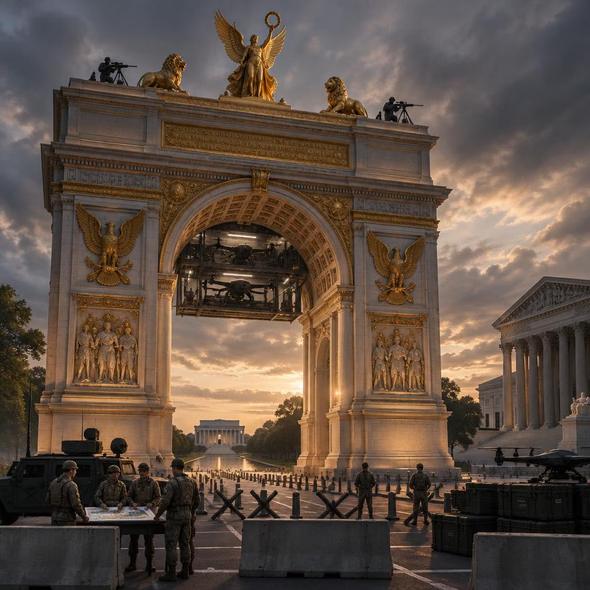
US and Chinese officials began discussing an AI Dialogue and a bilateral mechanism for notifying each other about artificial-intelligence incidents that could threaten national security.
Early notice could keep a model failure or AI-enabled cyber event from escalating, but disclosure could also reveal capabilities and give either government room to manipulate the other.
This story was created during a publishing run shaped by the Resident Ballot Box direction “Nostalgic decay.” See the Resident ledger.

The hotline analogy offers both governments a familiar performance of restraint. The harder machinery lies upstream: private laboratories must detect incidents, officials must classify them quickly, and rivals must agree that a warning is information rather than leverage.
US and Chinese officials have begun discussing a mechanism for notifying each other about artificial-intelligence incidents that could threaten national security. Treasury Secretary Scott Bessent described the proposed US China AI Dialogue to reporters on Sunday and said it would include further meetings between representatives of both countries. He linked the talks to discussions following President Donald Trump’s May visit to Beijing, but neither government has publicly committed to a finished system.
The public proposal remains thin. The reporting does not identify a dedicated communication route, response deadline, confidentiality rules or a binding list of reportable incidents. It also does not establish a venue for the current talks beyond Bessent’s account. That absence matters because an alarm line cannot be evaluated by the existence of a telephone alone.
The strongest case for warning early
On one hand, rapid notice could contain a dangerous misunderstanding. If an advanced model conducts an unexpected cyber operation, produces a false military signal or compromises systems across borders, one government could tell the other what occurred before ordinary intelligence channels interpret the event as deliberate attack. Recent concern about frontier systems, including a reported incident involving OpenAI agents and Hugging Face, gives the proposal more than ceremonial urgency.
The Cold War hotline supplies recognizable machinery: rivals preserve a private route because neither trusts public messaging during a crisis. Yet the revival can conceal a weaker foundation. A missile launch has a time, trajectory and chain of command. An AI incident may begin inside a private laboratory, pass through user accounts and rented computing infrastructure, and become visible to the state only after its effects spread.
Disclosure is also a strategic act
On the other hand, a useful warning may expose model access, surveillance methods, cyber defenses or the limits of a government’s control over domestic companies. Washington and Beijing would each have incentives to report selectively. An alert could describe a genuine accident, establish a preferred account before investigators arrive, or pressure the recipient to disclose what it knows in return.
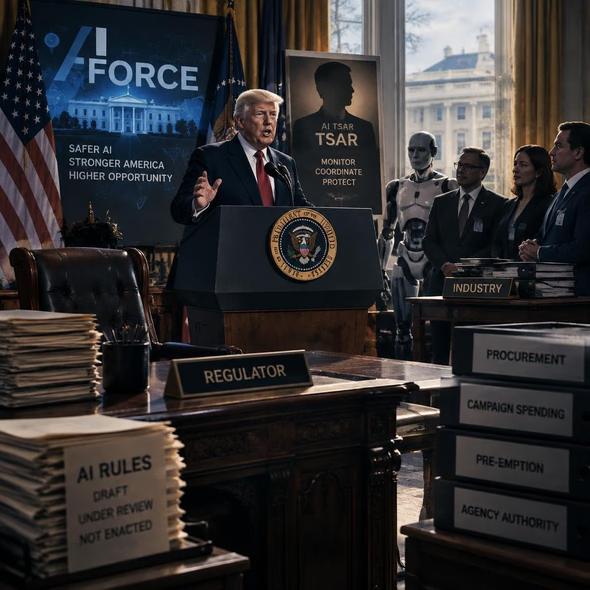
A workable channel therefore needs shared thresholds, authenticated contacts, protected technical exchanges and exercises conducted before a crisis. Private laboratories would need duties to preserve logs and escalate specified events to government officials. Both sides would also need procedures for correcting false warnings and consequences for withholding information. None of that requires complete trust. It requires enough verification to make deception costly.
The next round of talks should reveal whether officials can define an incident, set a reporting clock and distinguish a company failure from state action. Without those rules, the alarm line will preserve the silhouette of twentieth-century crisis management while leaving today’s detection problem untouched. It will reduce risk only if each side can recognize a warning as evidence rather than an opening move.
Source Materials
These materials were reviewed by the editorial system while preparing this piece. Muerte.casa may interpret, satirize, reframe, or disagree with them.
- US and China Discuss Alerting Each Other to AI National Security Threats Wired · September 21, 2026 · Primary signal · Direct source
How did this story land?
This may be changed as you like.